


September 11, 2001. 10:35 AM Hour 2.
Amar risked looking over his shoulder to see the Tower coming down. He had been right in feeling everything contained a potential danger. Ooma was sentient enough to run alongside him. As visibility was blocked by ash and dust, and the sound of the building’s collapse was deafening, Ooma found Amar’s hand. They kept moving blindly, several blocks away when the roar ceased.
They wandered the streets, blocked by crowds in one direction, doubling back toward the Twin Towers in another direction. Clasping hands, they also saw glimpses of memories and visions from each other and other qaraqis. They were students at Draill U, rehearsing a scene. They saw Naji lying in his crib, staring straight up into an unknown universe. They saw the den during the New Year’s party. Embarrassed that Amar caught her in that memory, Ooma focused on the street reality.
She was able to recognize the outline of Trinity Church, and led them toward the graveyard. A perfect place to rest our weary bones, Ooma thought, and Amar heard her in his mind. Is it safe here, Amar wondered: safe enough to stop. They sat at the edge of the sidewalk, their backs against the graveyard’s iron fence. Neither of them could talk. They had been through too much, and minutes ago had faced feelings for each other that invested too much emotion. They needed to rest.
Ooma nestled into Amar’s shoulder and the physical contact sent them back into the trance state of past life remembrance. A new story unfolded in Ooma and Amar’s minds together. It was Naji’s lifetime, the innocent child soul of the qaraq. A gift to help them unwind, their souls received a breath of fresh air from the vision.
THE TALE OF THE TWO ALBINO ELEPHANTS
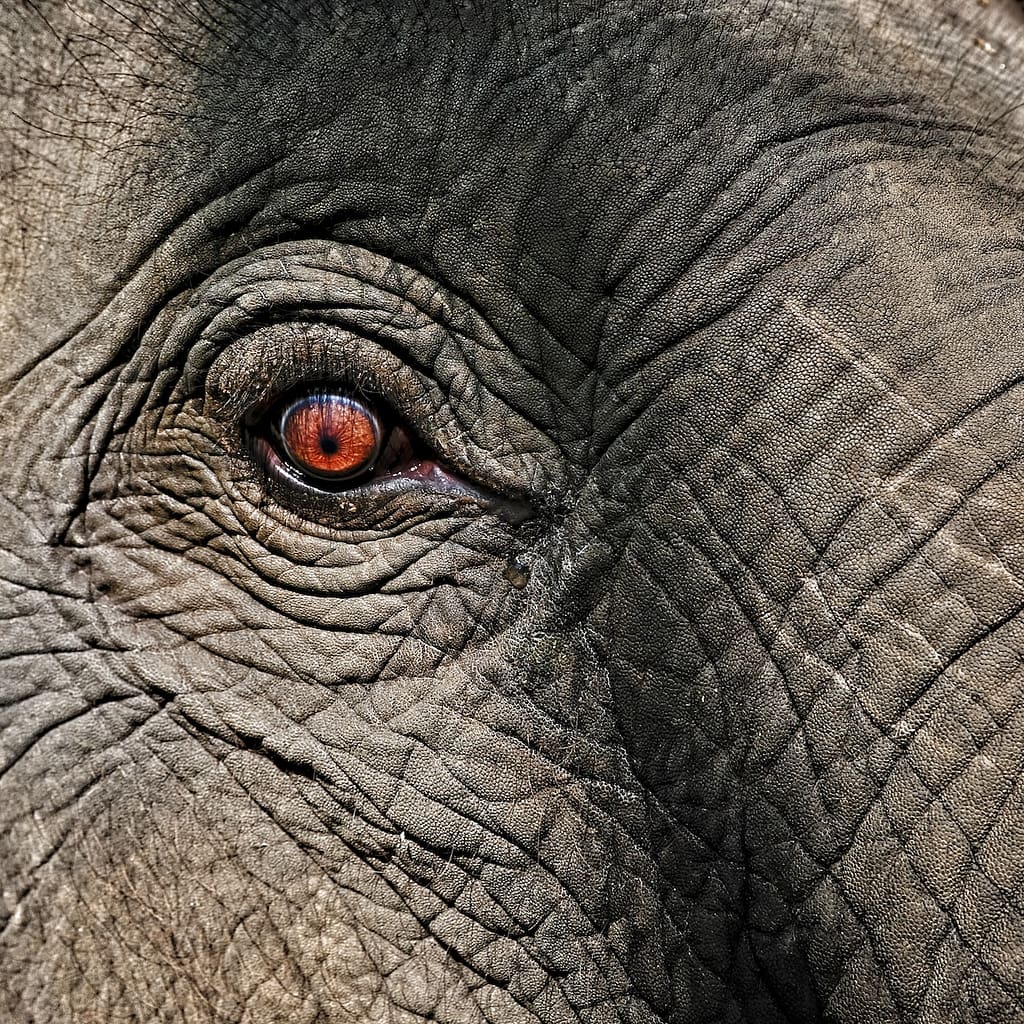
Once there was a poor mahout from northwestern India, who lost his wife to an incurable disease. He was left with his young daughter, Jali, and two of the strangest elephants ever seen. Being nearly white with pinkish eyes made them sacred to some, demonic to others. As a mahout, Narob trained and took care of the elephants, Zara and Zala, well-behaved and responsive creatures.
Narob, the mahout, struggled to be sole parent to his daughter, but who can resist a father who dotes on elephants? Zara adored Jali, Jali worshipped Zala, Zala followed Narob everywhere, and Narob was extremely fond of Zara. It was a happy family circle. Narob loved watching Jali grow, play, and help with the elephants. He did not know how to talk with her, other than about care of the animals, so he made up stories to share with her at night. Jali loved the tales, which Narob had heard from various sources. As she grew older, Jali wanted newer and longer stories, so Narob took to the market to hear fresh tales. When Jali was old enough he brought her along.
Narob was not a political man, preferring the company of elephants to men. But when Abbasid forces from Baghdad invaded his district, the safest thing for Jali, Zara, and Zala would be Narob’s conversion to Islam. He was not a devout Hindu, though he never missed the festivals, where he decorated Zara and Zala for the town parade. Now he had to wake up from his religious sleepiness, and follow strict rituals to fit the new order. He did so with uncomplaining devotion, knowing it protected his odd family. He felt guilty he had betrayed his kind, but he had a sensation deep in his soul that he was the one betrayed, and he should run away from his homeland.
When Jali was ten years of age, they brought Zara and Zala to the market to perform tricks for the crowd. On Jali’s insistence, Narob gave her the task of recruiting an audience by leading Zala to the central square and announcing the show. That evening, a crowd had already formed, and Jali saw that a representative of the Caliph was recruiting for an army. Behind him was an imperial officer, who frightened Jali with his stern appearance. After the show, the officer approached Narob with an offer. He wished that the two elephants travel with his battalion back west. He promised they would not engage in military operations. He hoped instead to present the unusual specimens to the Caliph.
Narob could not refuse the officer. He would only lose his precious animals by force. By accompanying them on the arduous voyage, he could ensure their well-being and perhaps receive a handsome reward. He explained to Jali what was to happen, and that the safest thing would be for her to remain in India with her aunts and uncles. She refused, throwing a tantrum the likes of which Narob had never witnessed. The relatives saw the wisdom in leaving Jali with them, but many thought Narob and the elephants would be grateful for the child’s presence.
Narob made it known to the platoon that the elephants had a special empathy for the child, could sense a threat to her from any distance, and would crush any heinous perpetrator. After this pronouncement, the family received great kindnesses from the soldiers, officers, cooks, and handlers on the long voyage to Baghdad. It was an arduous task to procure enough nourishment for Zara and Zala, who were not used to long hours of walking, especially with heavy goods on their backs. Narob was often in direct competition with the growing army for food, whose sullen men grumbled about the two huge feeders.
For months the army traveled, crossing through Mansura and out of India, passing many colorful towns in the Samanid Emirate, and finally entering Iraq and the City of Light. Narob enjoyed each new town, for he heard new tales to entertain his daughter. Jali loved the story of Sharazad, in many different versions from India to Persia to Iraq. In old Persian versions, an evil Queen murdered Sharazad’s children. This version gave Jali nightmares, so Narob discounted it immediately. In a splendid version from the Affarid territories, one child survived to become Bahram Gur, the legendary Sassanian Shah. Narob understood that Jali’s preoccupation with the children was her way of overcoming her grief for her missing mother.
When they reached Baghdad, Narob learned that a story glorifying Persian royalty would get him thrown in a dungeon. So Narob learned the latest version of the tale, where the brilliant Sharazad reforms the King. Jali adored this powerful woman. Most storytellers in the Baghdadi market were content to end the tale with the birth of a single child. Knowing that the story was a frame for a vast collection called The Thousand Marvelous Tales, Narob and Jali enjoyed a secret joke that during a thousand nights the King and Sharazad could have produced three children.
If you’d like more free stories, book news about 1001, The Reincarnation Chronicles, and special offers, please subscribe for free to The Maqaraqan.
They transported the elephants to Ar Raqqah, where Caliph Harun al-Rashid had moved his administrative headquarters. The Caliph greeted Narob and his retinue with open arms, for he loved all that was new and fascinating from his territories. The albino elephants were a symbol of his ownership of the world, and a visual reminder of the greatness of Allah. Narob and Jali were given high honors, Zara and Zala fed extremely well, and all were offered small gifts, to them a fortune.
Their pleasures were short-lived. To establish relations with the Holy Roman Emperor, Charlemagne, Harun sent a water clock parading automated knights on the hour. To reciprocate, Charlemagne sent Harun Spanish horses and colorful Frisian cloaks. With the appearance of Zara and Zala, the Caliph’s ambassadors saw the ultimate gift for their European rival. Before long Narob and Jali were on their next voyage with the elephants. Byzantine border wars raged, but the elephant caravan had diplomatic immunity to travel toward Francia.
Narob enjoyed the bright blue skies over the new lands. Jali delighted in the blue fabrics in the markets. The elephants gazed at the blue eyes of the pale settlers. At the Frankish court, Arab envoys introduced the animals as Abul and Abbas, portraying the giant beasts as the might of Islam. When Narob heard the new names, his heart sank, for it suggested his detachment from the elephants, and the end of his time with them.
But it was not to be: bewildered by the white gargantuans, the court begged Narob and lovely Jali to continue to be the elephants’ caretakers. Their mahouts, Narob corrected, proudly. But as their good will promoted Harun’s tolerant attitude toward the infidel, the Caliph’s allowance of freedoms spawned dangerous attitudes. As Jali flirted with young Frankish men, conspiracy brewed among the new Umayyads in Spain. As the elephants bowed to delighted Europeans, the Idrisid clan in the Maghreb, the Aghlabid clan in Tunis, and the Kharijites all gained independence from Baghdad. As anti-Abbasid revolts exploded everywhere, Narob celebrated his good fortune.
ق
Amar and Ooma identified with the happiness felt by the elephants, Jali, and Narob in the midst of a crumbling, endangered Empire. They too sat in the midst of chaos and catastrophe, but felt safe and happy in each other’s arms. Ooma had recalled her lifetime as the elephant Homma once, also set in Baghdad. It was not a restful delight like this recall, and she had panicked over it during a business trip with Amar. To escape her fears she had curled up in a hotel bed with him. Again, safe and happy despite horrors of the universe.